
Image Source: Pexels- Rosivan Morais
So, as of recently, there seems to be a clear shift in the social paradigms of my fellow Gen Z’ers. Recently, many users have been coming to TikTok to share their views on what they believe to be the rise in conservatism among young adults, particularly young women, over the last year. In a post-pandemic era that became defined by people more habitually inclined to stay inside due to the social distancing restrictions imposed on us during the global pandemic, much of the older Gen-Z, late teenage to mid-twenties, were spent indoors. This age is culturally understood to be the social pinnacle of our lives, where we are leaving our childhood homes and exploring adulthood, but instead, it will be remembered by many as one that bred uncertainty and, for some, loneliness.
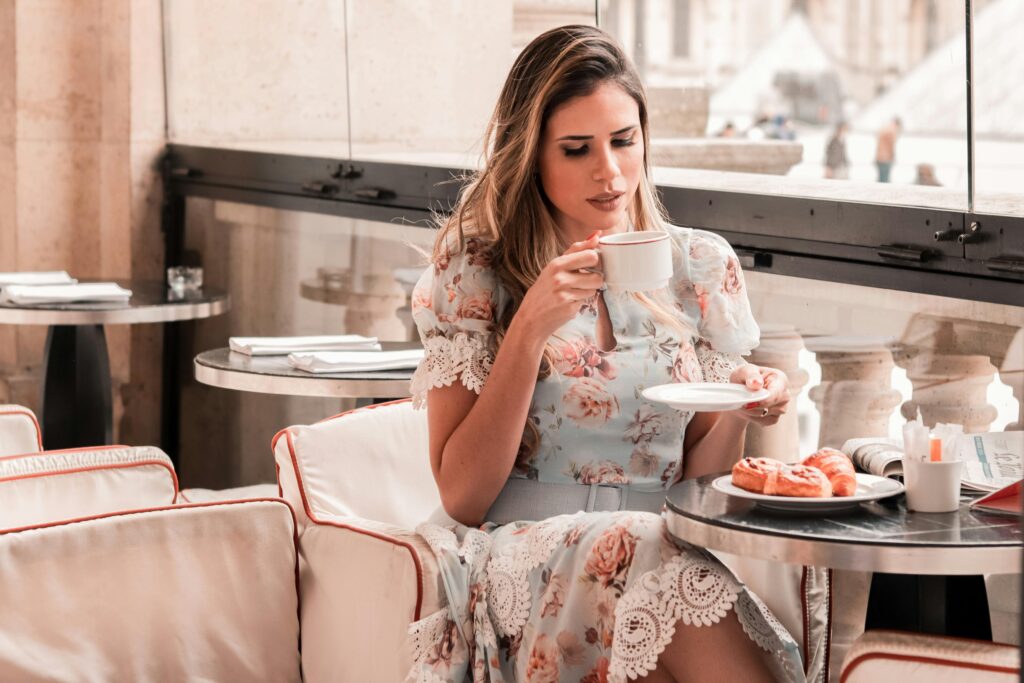
Considering the absence of social freedom for some time for our generation, we consequently may have had less interaction with those of different identities, backgrounds, and livelihoods that often fosters greater connection and understanding amongst different people as opposed to being fed these ideas online, which often doesn’t translate in reality. For instance, some young women spend a lot of time deciding their social identity through adopting fashions, lingo, and views they see online. This can be seen in the rapid turnover in clothing trends, the rise and fall of “influencers” who can reign supreme on Monday and be ridiculed, condemned, “cancelled” and shoved in a box in the social media attic and forgotten about by Sunday. More interestingly, the adoption of old fashions is what triggered this topic’s relevance to me the most. The clear difference between reality and a glazed “past” is clear here when we see how new trends are encouraging young women to dress more modestly, harboring softer colors, baby doll shoes, and hairstyles that scream “British bridesmaid” more than ever.
Not to say that people shouldn’t exercise their free agency to wear as they wish, but expectedly, the rise in these vintage-inspired styles, for some, has brought the “vintage” social attitudes with it. Styles such as the handmaid dress, ballet pumps, minimal makeup, but a simultaneous obsession with maintenance reflect an era where arguably a woman’s identity was largely reduced to her looks and how well she could appease the male gaze and ego. On the surface, while these trends appear to be a change in tastes and woman choosing to try out a “new” style, which it could be for some, it is hard to ignore the glamourzation for an aesthetic capturing a time such as the 1950s for instance where women could not vote, domestic violence was normalized and the confinement of a woman in society was reflected in fashion.
Meanwhile, the broader political landscape in 2024 reveals a troubling rise in misogyny and a concerted pushback against women’s rights, especially under the current administration’s policies. The ongoing efforts by the Trump administration’s successors restrict reproductive freedoms, undermine gender equality initiatives, and promote conservative family values, signaling a return to a more patriarchal societal framework that threatens to undo decades of progress. It seems the bright colours, different body shapes and sizes and the adoration for the “career gal” pushed by millennials is slowly being replaced by a tamed down, beige look worn by a girl who suggests we embrace our place as “women”, as the cringy millennials at night clubs every weekend loving the 21st century freedoms we have were “doing it all wrong”. Maybe I have it wrong, maybe it is just trends shifting, and besides, didn’t Y2K super skinny just have a moment of resurgence, having millennial women shaking at the thought of their little sisters starving themselves like they did? But what if fashion really is a sign of the times and these minor changes signify a bigger shift, one that could hurt women in the long run?
This was written by our contributing writer, Julia Cawele.

Leave a Reply