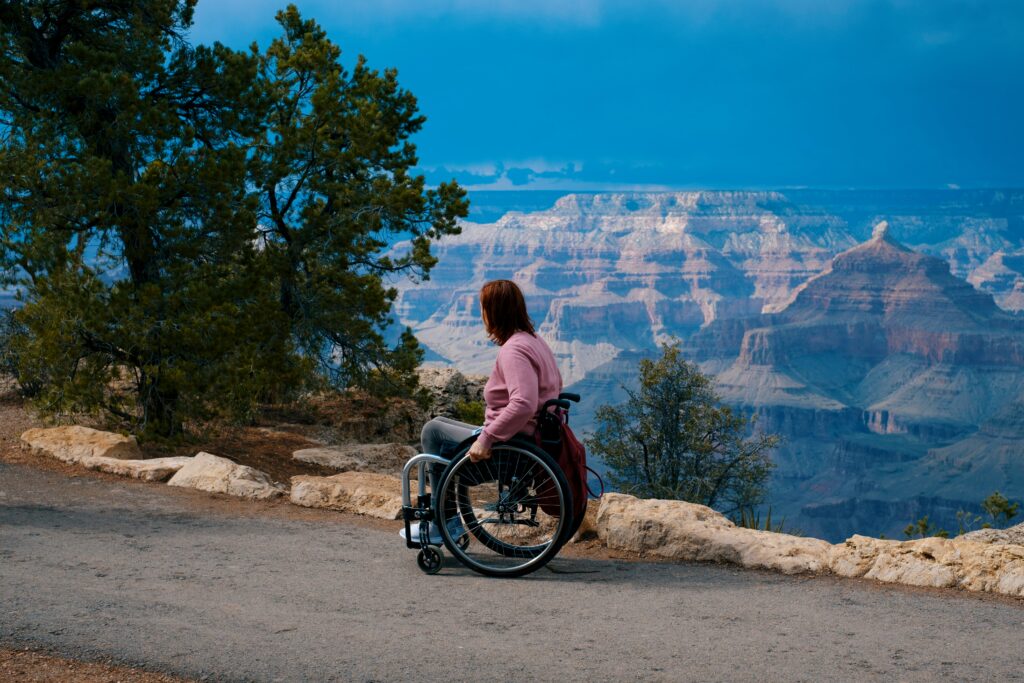
Image Source: Unsplash- Romain Virtuel
International Day of Persons with Disabilities is an international observance promoted by the United Nations since 1992. It has been observed with varying degrees of success worldwide.
International Day of Persons with Disabilities is on December 3rd. Every year, people across the world wear purple to mark International Day of People with Disability.
Various types of disabilities are recognized under international and local laws.
The Rights of Persons with Disabilities Act 2016 covers 21 disabilities. These have been listed below:
Blindness
Low Vision
Leprosy Cured Persons
Hearing Impairment (Deaf and Hard of Hearing)
Locomotor Disability
Dwarfism
Intellectual Disability
Mental Illness
Autism Spectrum Disorder
Cerebral Palsy
Muscular Dystrophy
Chronic Neurological Conditions
Specific Learning Disabilities
Multiple Sclerosis
Speech and Language Disability
Thalassemia
Hemophilia
Sickle Cell Disease
Multiple Disabilities (more than one of the above specified disabilities)
Acid Attack Victim
Parkinson’s disease
The day is about promoting the rights and well-being of persons with disabilities at every level of society and development, and to raise awareness of the situation of persons with disabilities in all aspects of political, social, economic, and cultural life.
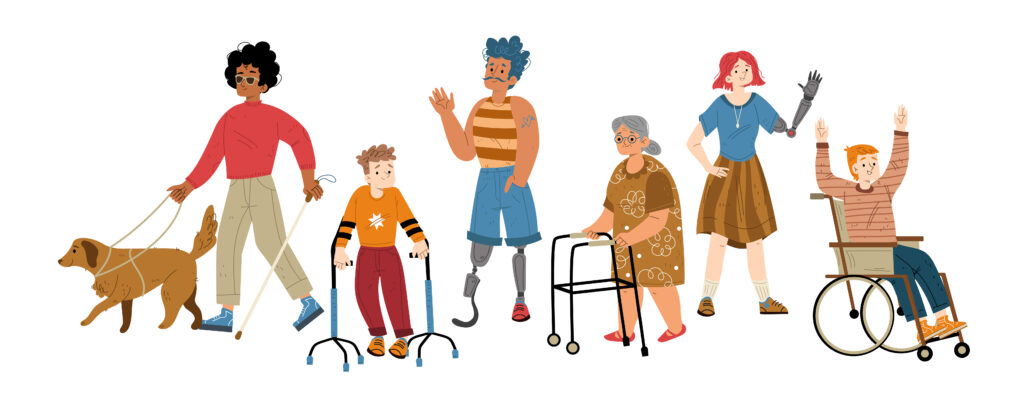
Image Source: Freepik- upklyak
How to celebrate International Day of People with disabilities?
Get involved
Make videos and write stories to help people understand the lived experience of people with disability.
Create resources for workplaces, schools, and community groups.
Support awards, events, or activities that show the achievements and stories of people with disabilities.
What is an inspiring quote for people with disabilities?
“A bend in the road is not the end of the road. Unless you fail to make the turn.” – Helen Keller. Helen Keller was a deaf-blind author and activist who published 12 books.
In conclusion, the International Day of Persons with Disabilities is that it serves as a vital reminder of the need to uphold the rights, dignity, and inclusion of persons with disabilities by empowering them and removing societal barriers. This means fostering a fully inclusive society where they can participate equally in all aspects of life, from decision-making and employment to social protection, and where their leadership is amplified to shape a more sustainable future.
This was written by our contributing writer, Duet Mlotshwa.

Leave a Reply