
Image Credit: Unsplash- Call Me Fred
When we think of Halloween today, images of costumes, candy, and pumpkins come to mind. But the traditions we celebrate on October 31st trace back thousands of years and weave together folklore, religion, and cultural practices from across the globe.
Celtic Roots: Samhain in Ireland and Scotland
Halloween’s oldest roots lie in the Celtic festival of Samhain, celebrated over 2,000 years ago in Ireland and Scotland. Samhain marked the end of the harvest season and the start of winter. Celts believed that on this night, the boundary between the living and the dead blurred, allowing spirits to roam the earth.
● Costumes & Masks: People wore disguises to ward off or confuse wandering spirits.
● Bonfires: Huge communal fires were lit to honor ancestors and provide protection.
● Divination: Games and rituals attempted to predict the future, especially concerning marriage and harvests.
Mexico: Día de los Muertos
While often associated with Halloween, Día de los Muertos (Day of the Dead) is a distinct Mexican tradition with pre-Columbian and Catholic influences. Celebrated on November 1–2, it honors loved ones who have passed away.
● Families build ofrendas (altars) decorated with marigolds, photos, and favorite foods of the deceased.
● Skulls made of sugar (calaveras) symbolize the cycle of life and death.
● The belief is not about fear of spirits, but joyful reunion and remembrance.
Catholic Influence: All Saints’ and All Souls’ Days
In the 7th century, the Catholic Church introduced All Saints’ Day (November 1) and All Souls’ Day (November 2) to honor martyrs and the faithful departed. These holidays absorbed and transformed many Samhain practices. The evening before became All Hallows’ Eve—eventually shortened to Halloween.
Japan: Obon Festival
Japan doesn’t celebrate Halloween traditionally, but the Obon Festival (held in August) shares similarities. It’s believed that the spirits of ancestors return during Obon, and families welcome them with lanterns, dances, and offerings of food. Much like Halloween, it blurs the line between the living and the spirit world.
The United States: Trick-or-Treat and Pumpkins
When Irish and Scottish immigrants came to America in the 19th century, they brought Samhain and All Hallows’ Eve traditions with them.
Over time:
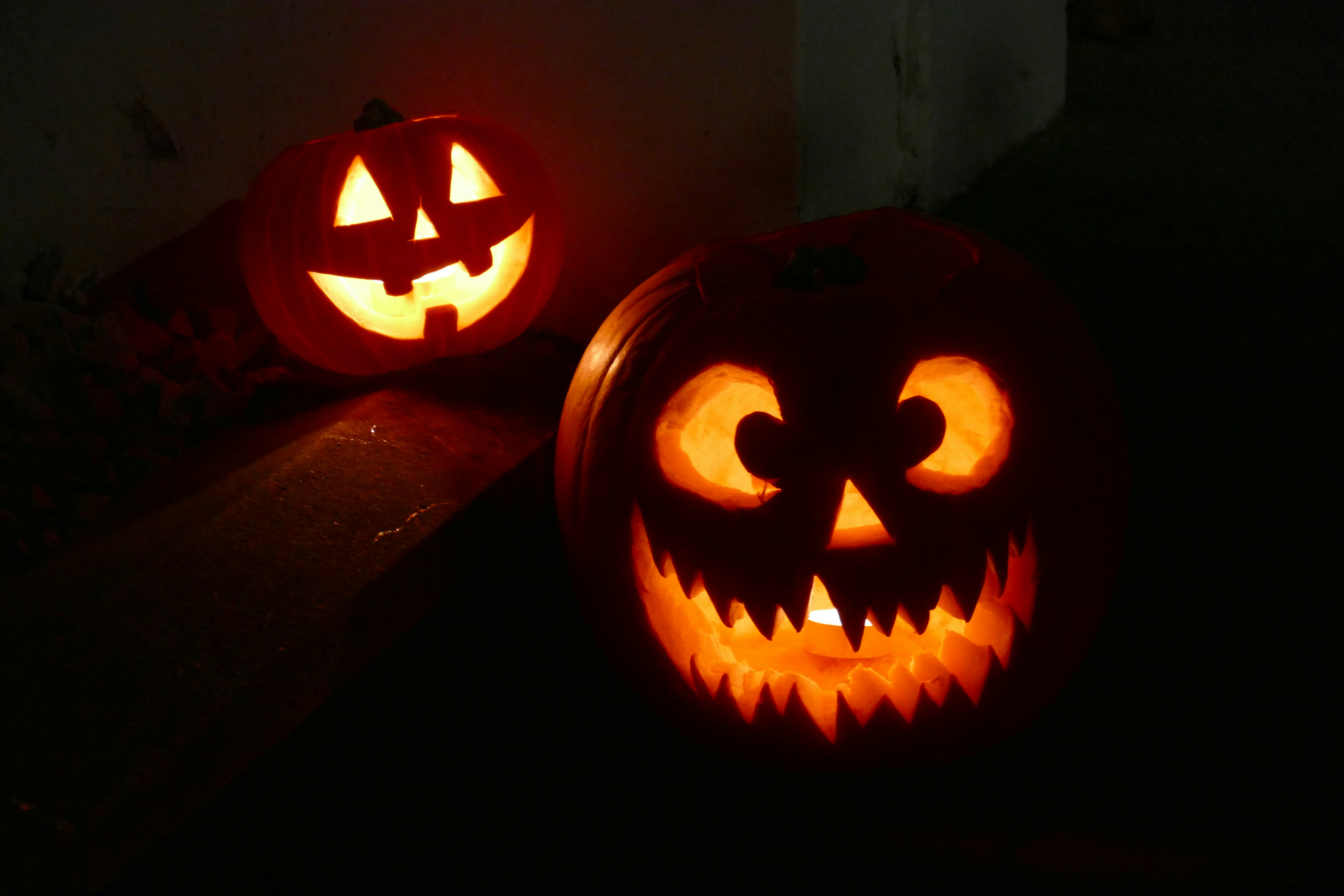
● Turnip lanterns (used in Ireland) were replaced with pumpkins, native to North America, becoming the iconic jack-o’-lanterns.
● The practice of “souling”—where the poor begged for food in exchange for prayers for the dead—evolved into trick-or-treating.
● By the 20th century, Halloween became a community-centered holiday focused on children, costumes, and candy.
Other Traditions with Similar Themes
● China: The Hungry Ghost Festival honors spirits who wander among the living, with food offerings and paper lanterns.
● Philippines: Pangangaluluwa involves singing at houses in exchange for food, echoing old European souling.
● Italy: Families visit cemeteries on Ognissanti (All Saints’ Day) to honor the dead with flowers and candles.
A Global Patchwork of Traditions
Halloween as we know it today is a vibrant mix of Celtic, Catholic, and folk practices, transformed by migration and modern culture. While each country has its own way of honoring the dead or warding off spirits, the common thread is humanity’s fascination with life, death, and what lies beyond.
This was written by our contributing writer, Alisha Blanch.


Leave a Reply