
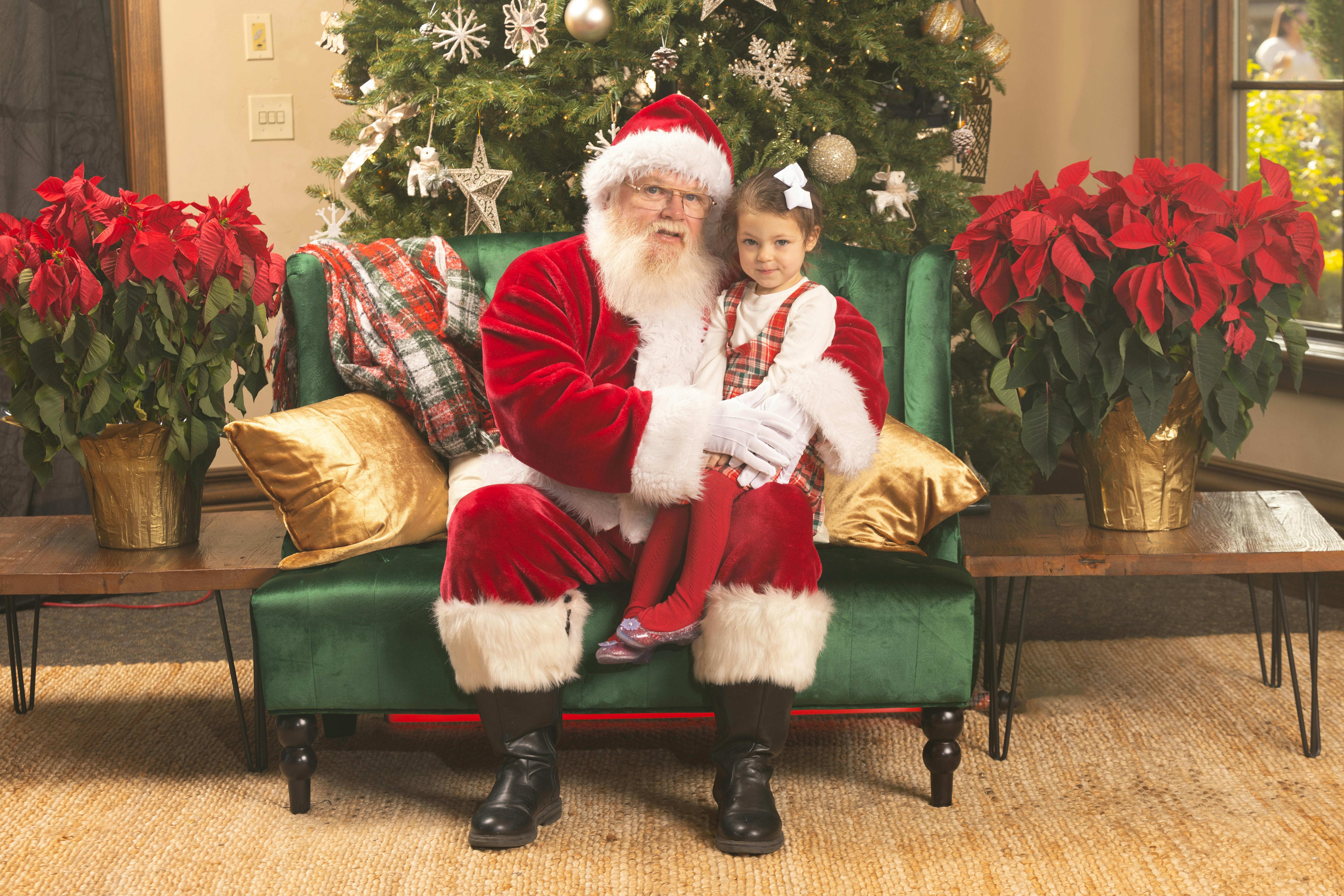
Image Source: Pexels- Sean Twomey
Across the Northern Hemisphere, winter once signaled a season of long nights, cold landscapes, and the annual return of folkloric figures. Before electric lights and mall Santas softened the edges of December, midwinter festivals often blended celebration with superstition. Entire communities gathered to honor ancestors, guard against wandering spirits, and coax the sun back toward spring.
Some of those traditions survive today — transformed, adapted, or delightfully embellished — leaving us with a global patchwork of Christmas customs where the eerie and the joyful live side by side. Here are some of the most intriguing, spooky, and culturally rich traditions still celebrated around the world.
Krampus: The Alpine Enforcer
Austria, Germany, Northern Italy
Winter in the Alps once carried a lingering sense of vulnerability: deep snow, harsh winds, and long treks between villages. It’s no surprise that regional folklore gave rise to powerful guardian figures — and their intimidating opposites.
Enter Krampus, the antlered, chain-rattling counterpart to St. Nicholas. While St. Nicholas rewards well-behaved children on December 6th, Krampus appears the night before, dragging chains and bells to remind the unruly to correct their ways. While Santa Claus rewards well-behaved children with dolls, skateboards, and stockings full of sweets, Krampus punishes naughty children. The specific punishment varies based on who is telling the story of Krampus–some favor lashings with birch sticks, while some terrify unruly children with tales of being dragged in a sack to the underworld–but the effect is the same. Behave, or Krampus is coming.
Today, Krampuslauf, or Krampus runs, are a deeply rooted community tradition. Young men don carved wooden masks, many of them works of local craftsmanship passed down through families. Though modern audiences often view Krampus as a Halloween-like novelty, his presence is a reflection of older Alpine storytelling — where darkness and light must coexist.
La Befana: The Epiphany’s Traveler
Italy
In Italian folklore, the winter season belongs not only to Babbo Natale but also to La Befana, an older, soot-covered woman who travels by broomstick on January 5th, the eve of Epiphany. Her origins likely mingle Christian legend with remnants of pre-Christian winter goddesses associated with hearth, fertility, and renewal.
According to the most well-known tale, the Magi invited her to accompany them to Bethlehem. She declined, then spent the rest of her life searching for the Child, leaving gifts in every home she visited. In many towns, her arrival is celebrated with processions, street fairs, and regional pastries like befanini.
La Befana may look like a witch, but her symbolism is far gentler: she is winter’s wise woman, sweeping out the old year and ushering in a new one with generosity.
The Yule Goat: Guardian of the North
Sweden, Finland, Norway
Long before Rudolph’s red nose gained fame, Scandinavia had the Yule Goat—a figure woven into centuries of winter tradition. Some scholars trace its beginnings to the Norse god Thor, whose chariot was said to be drawn by two goats. Others connect it to pre-Christian harvest rituals, where a goat symbolized fertility and protection.
Today’s Yule Goats appear as straw ornaments, cheerful symbols of the season. But in Sweden, one goat towers above them all: the Gävle Goat, a monumental straw sculpture erected each December. Its well-known vulnerability to mischief (or arson, depending on interpretation) has become part of its mythos — a cultural conversation about tradition, community pride, and playful rivalry.
The goat endures as a symbol of the North’s ability to blend ancient stories with modern celebration.
The Yule Lads & the Watchful Cat
Iceland
Iceland’s midwinter folklore is rich with characters who reflect the island’s dramatic landscapes and long nights. The best-known are the Yule Lads, a band of thirteen mountain-dwelling figures who visit homes one by one in the days leading up to Christmas.
Unlike Santa’s industrious elves, the Yule Lads are mischievous by design — each named for his particular habit, from Spoon-Licker to Sausage-Swiper. Originally depicted as far more menacing, they have softened over time into playful figures who leave small gifts in children’s shoes.
But their companion, the Yule Cat, remains decidedly more ominous. Legend says this enormous feline stalks the countryside, preying on anyone who has not received new clothing for Christmas — a folktale thought to encourage industriousness during communal winter work. What sounds like wintertime horror is, in reality, an old cultural reminder that everyone deserves warmth and care through the dark season.
Mari Lwyd: Wales’ Ghostly Winter Visitor
Wales
In the valleys and villages of Wales, a skeletal horse adorned with ribbons, bells, and a white cloth appears each December: Mari Lwyd. Carried by a hidden handler, she approaches homes and pubs to engage in pwnco — a spirited exchange of improvised verse.
Though her exact origins are debated, Mari Lwyd echoes ancient midwinter rituals centered on threshold-crossing, blessing, and hospitality. Far from a frightening apparition, she is a bearer of good fortune. If the household loses the lyrical contest, Mari enters to share food, drink, and community warmth.
Her presence represents one of midwinter’s oldest themes: inviting in the strange and the supernatural as a way of honoring community and goodwill.
A Modern Tradition: Japan’s Christmas Feast of Fried Chicken
Japan
While Japan’s Christmas traditions are not historically tied to winter folklore, one modern custom has become iconic: the Christmas KFC dinner. Originating from a 1970s marketing campaign, this festive meal is now so popular that families place reservations weeks in advance.
It’s a contemporary reminder that traditions often grow not from ancient myth but from communal joy — and the simple pleasure of sharing a meal during winter.
Why These Stories Endure
Across cultures, midwinter has long been a time for storytelling — blending comfort with caution, humor with fear, and the natural world with the supernatural. Whether it’s a horned guardian, a ghostly mare, or a mischievous troll, these figures remind us of humanity’s oldest winter instinct: to gather close, share warmth, and pass down the tales that shape us.
Today, these traditions remain vibrant not because they frighten, but because they connect: to community, to ancestry, and to the enduring magic of the darkest nights of the year.
This was written by our contributing writer, Kate Schifano.

Leave a Reply