
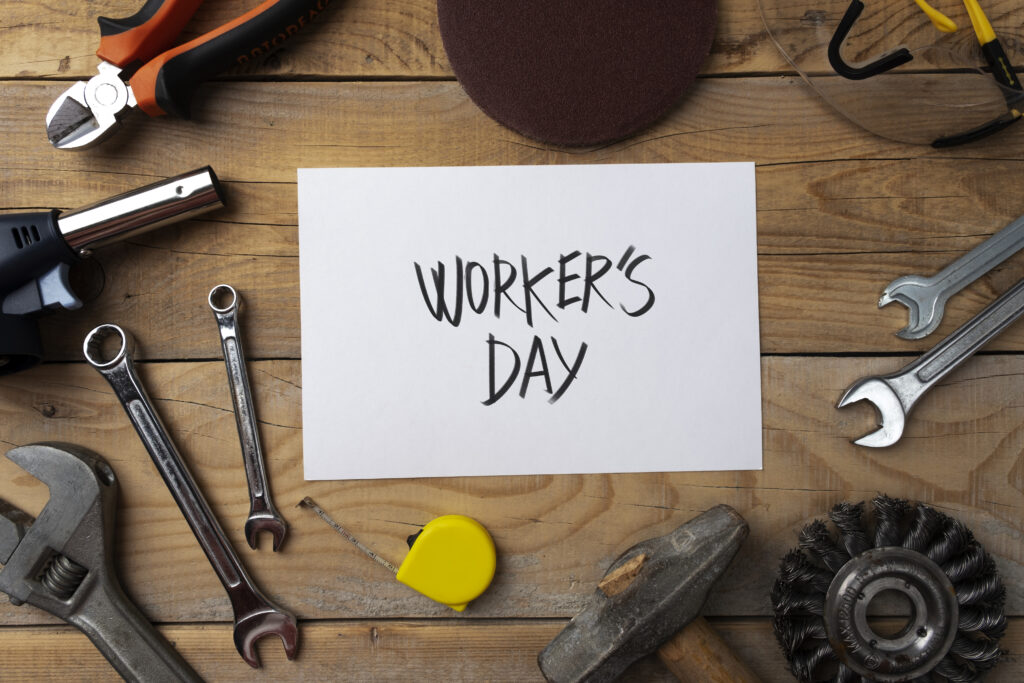
May Day or Worker’s Day, also known as Labour Day in some countries and often referred to as May Day, is a celebration of laborers and the working class that is promoted by the international labor movement and occurs every year on May 1st, or the first Monday in May.
The decision to mark May 1st as May Day was taken in memory of Chicago’s Haymarket Affair, which took place in 1886 during a protest in support of workers’ rights. The incident resulted in the death of seven police officers and at least four civilians.
May Day, also called Worker’s Day or International Worker’s Day, is the day that commemorates the struggles and gains made by workers and the labor movement. It is observed in many countries on May 1. In the United States and Canada, a similar observance is known as Labour Day.
May Day, also known as Labour Day or International Workers’ Day, is a public holiday celebrated on May 1st every year. It is a holiday that is recognized in many countries around the world, including the United States, Canada, and countries in Europe, Asia, and Latin America.
This day commemorates the struggles and gains made by workers and the labor movement. It is observed in many countries on May 1. In the United States and Canada, a similar observance, known as Labor Day, occurs on the first Monday of September.
South African people enjoy Workers’ Day (effectively a May Day holiday). Worker’s Day celebrates the role played by Trade Unions, the Communist Party, and other labor movements in the struggle against Apartheid.
Why May 1 is Labour Day?
Labour movement
In the United States, the holiday was first celebrated in 1886 as part of the struggle for the eight-hour workday. On May 1st of that year, hundreds of thousands of workers across the country went on strike, demanding better working conditions and shorter working hours.
In South Africa, Workers’ Day has been celebrated as a national public holiday on 1 May each year since 1995. May Day started to get more attention from African workers in 1928, which saw thousands of workers in a mass march.
This was written by our contributing writer, Duet Mlotshwa.

Leave a Reply