Image Credit: Unsplash- Jason Briscoe
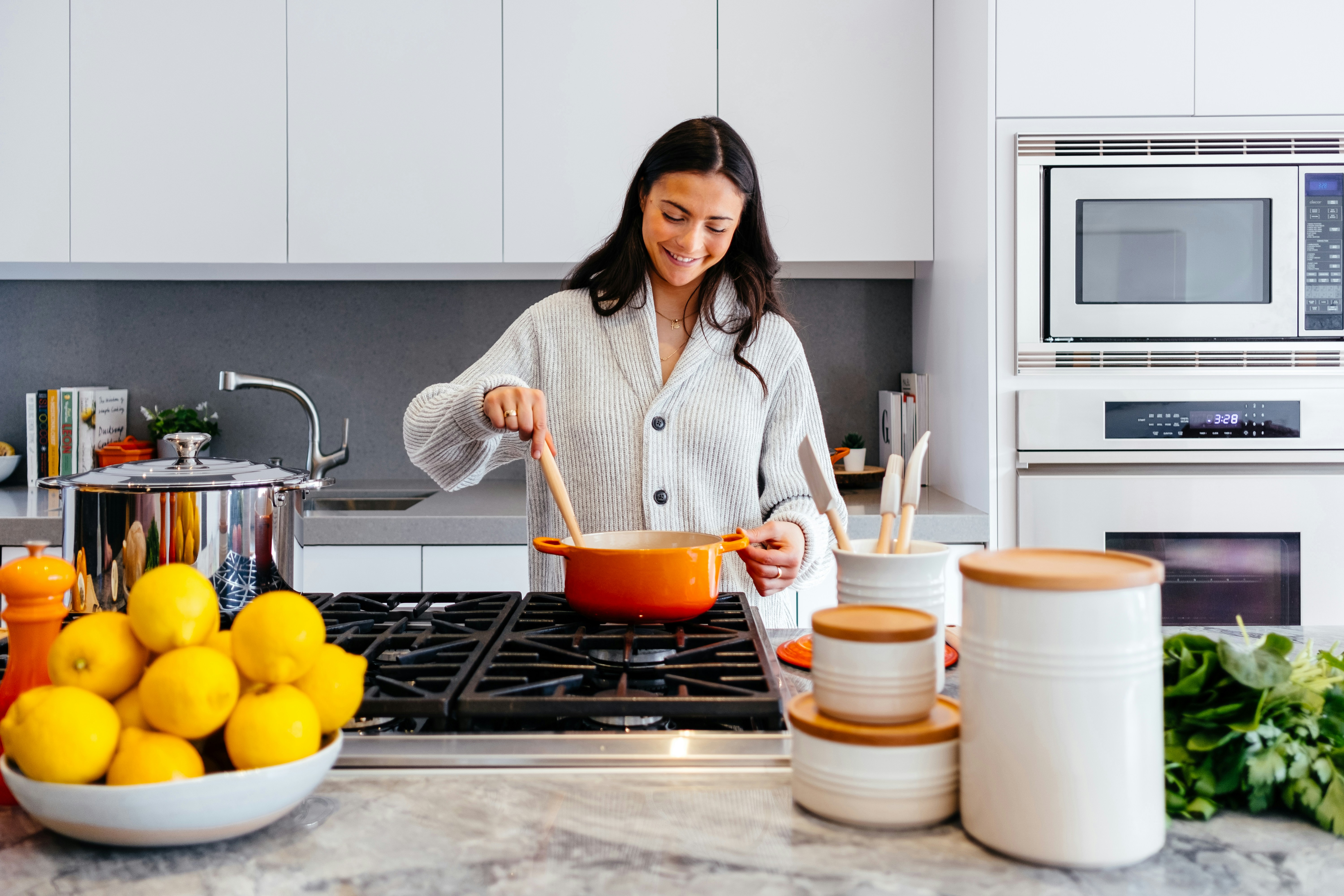
I’ll be 100% honest with you – I’m getting bored with matcha and green Goddess salads. So I’ve decided to dig into History and find some recipes that do not include protein powder and are bound to make you stand out at a barbecue if you plan on bringing them.
Moretum, Your OG Green Goddess Spread
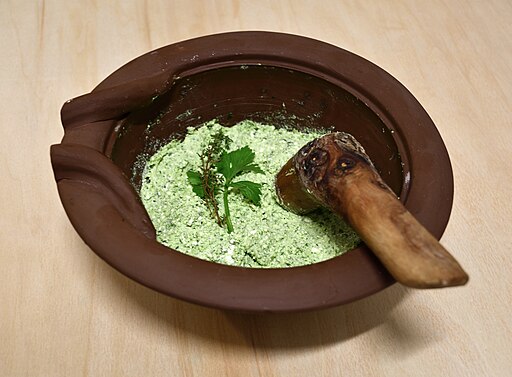
Image Credit: Wikimedia Commons- Bullenwächter
This garlic-herb cheese spread was smeared by Romans on bread before gladiator workouts, farming days, or philosophical debates.Garlic was believed to purify the blood and ward off skin infections, and olive oil kept skin supple way before Jennifer Lopez’s skin care line. Roman girls believed garlic breath showed you were strong and not just attractive. I mean, why not?
In Virgil’s poem, a farmer makes this before dawn while humming. It was considered a poor man’s meal, but rich girls secretly loved it for its creamy kick.
Ingredients (from Virgil’s Moretum poem):
- Fresh sheep or goat cheese
- Garlic (lots)
- Coriander
- Rue (or parsley if you can’t source rue)
- Olive oil
- Vinegar
How to make it:
Crush garlic and herbs with a mortar and pestle. Mix with crumbled cheese, drizzle olive oil, and a splash of vinegar until creamy. Super easy, super delicious, and you’re done in a minute.
Patina de Piris: Pear Soufflé (Kind Of)
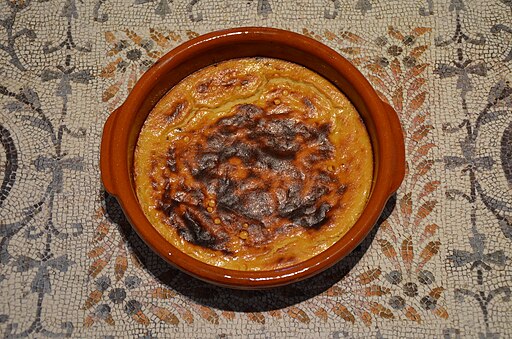
Image Credit: Wikimedia Commons- Carole Raddato
This dessert from Apicius’ De Re Coquinaria, which is the world’s oldest known cookbook, was a hit with young women.Romans believed pears prevented bad breath and aided digestion for glowing skin. Honey kept lips soft, and eggs were thought to ‘cool the blood,’ which was supposed to give a calm complexion. Emperor Domitian allegedly forced dinner guests to eat pears before meals and claimed it “prepared the belly for luxury.” Girl dinner, but imperial style.
Ingredients:
- Pears
- Honey
- White wine
- Eggs
- Pepper (yes, pepper)
How to make it:
Boil peeled pears in white wine. Mash them, mix with honey and beaten eggs. Pour into a greased dish, sprinkle black pepper on top, and bake until set.
Posca, the Hydration Tonic
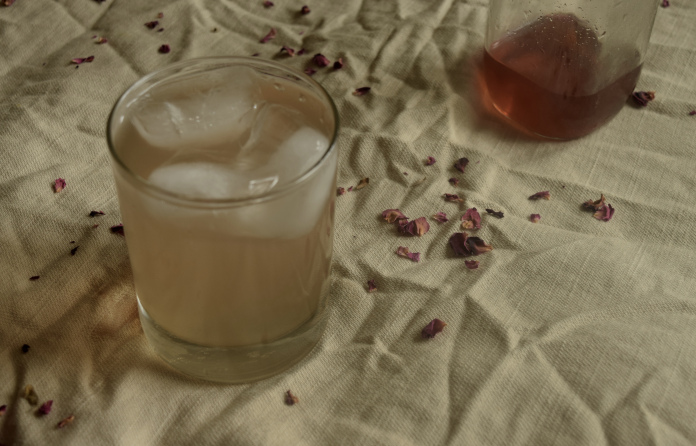
Image Credit: Wikimedia Commons- Allyson Batis
Time to ditch Beyoncé’s weight loss drink, which has cayenne pepper and honey in it, for this simple drink made by soldiers: vinegar diluted with water, sometimes with added herbs. Vinegar’s acidity was thought to “cut through the bile” and refresh the spirit. Today, we know diluted vinegar aids digestion and gives a mild antibacterial boost, so for you, acne girlies, this is the one. Romans also believed it prevented skin dullness on hot days.
Julius Caesar’s legions carried posca to stay hydrated in battle, so if you think this drink isn’t sexy, then think again. Roman girls copied the drink on summer days to avoid fainting in heavy stolae (you know, the long sleeveless robes they wore).
Ingredients:
- Water
- Wine vinegar
- Mint or coriander seeds (optional)
How to make it:
Mix vinegar with water until it tastes like a tart lemonade. Add herbs if desired.
Patina de Asparagis, a baked Asparagus Omelette
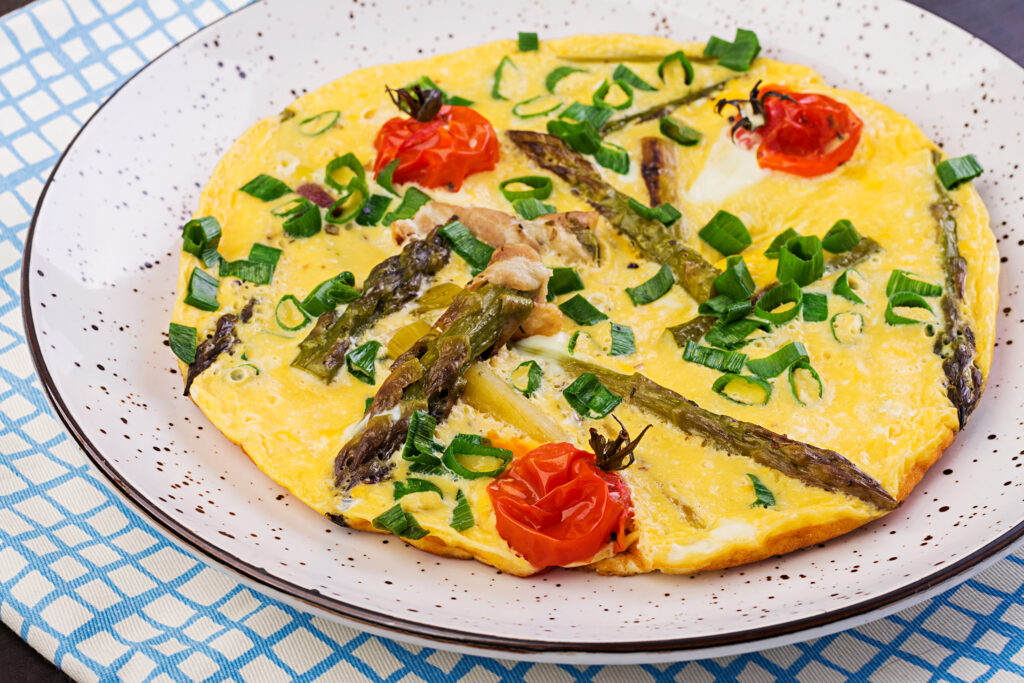
So yes, this is a baked asparagus and egg dish from Apicius. Asparagus was famed for “purifying the blood and brightening the eyes,” according to Pliny the Elder. Romans also believed it improved mood, which is always something we want.
Roman farmers would race to grow the largest asparagus. Emperor Augustus once sent a bundle to Rome so fast he coined the saying “Velocius quam asparagi coquuntur” ; Faster than asparagus cooks.
Ingredients:
- Asparagus
- Eggs
- Liquamen (Roman fish sauce) or a splash of modern fish sauce
- Pepper
How to make it:
Cook asparagus until tender. Beat eggs with pepper and liquamen. Layer asparagus in a greased dish, pour eggs over, and bake until firm.
Dulcia Domestica, Stuffed Dates
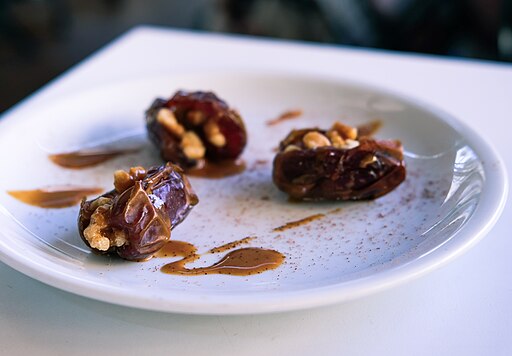
Image Credit: Wikimedia Commons- Ella Olsson
Let’s finish off with some desserts! This sweet treat from Apicius was made by stuffing dates with nuts and rolling them in honey. Dates were prized for skin softness and energy. Roman women actually thought honey ‘kept the lips kissable, and dates boosted mood, cheaper than fillers, I guess! This dessert was served at feasts to end heavy meals, and dates symbolised fertility and sensuality (naughty!). Ovid wrote that ‘sweetness brings forth sweetness’ when gifted to a lover.
Ingredients:
- Fresh or dried dates (Medjool works best)
- Almonds or walnuts
- Honey
- A pinch of salt
How to make it:
Remove date pits, stuff with nuts, press shut, roll or drizzle in honey, sprinkle salt to balance sweetness.
Libum or Honey Cheesecake Offering
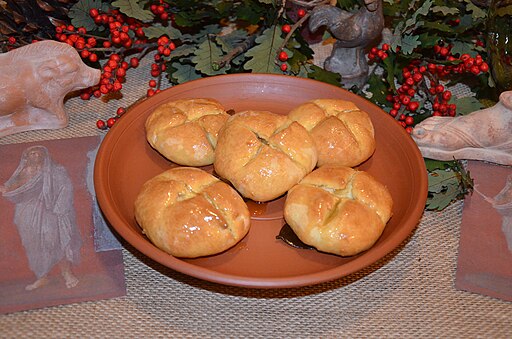
Image Credit: Wikimedia Commons- Carole Raddato
This delicious ancient cheesecake was used as a religious offering to household gods, but eaten happily afterwards. Cheese for calcium, honey for glow. Roman girls said honey cakes kept their voices sweet for singing poetry at gatherings. People also thought that eating them was going to bring peace and warmth to the household.
Ingredients (Cato the Elder’s recipe):
- 500g ricotta or fresh cheese
- 100g fine flour or semolina
- 1 egg
- Honey to drizzle
How to make it:
Mix cheese, flour, and egg into a dough. Form small round cakes. Bake on a greased baking stone or tray until golden. Drizzle with honey while warm.
We can’t guarantee you’ll love every single recipe, but what we can promise is that these recipes are pretty healthy and are bound to help you glow up. They would be a total blast to make if you’re hosting a history-themed brunch this summer.
This was written by our contributing writer, Suzanne Latre.


_(14824241837).jpg)

.jpg)
Leave a Reply