Imagine you drew a picture, and the image ended up in the hands of a great art executive. You drew the picture from love, inspired by the wonders of the world around you after a long walk. You drew the scenery, the people walking around, the crisp wind blowing green leaves off the trees, children riding their bikes, and the soft, petite daisies emerging from the ground, the fine strands of grass. You finished the drawing and left it on the park bench. A few weeks later, you returned to the same park to see the image hanging on an unfamiliar lamppost, on an advertiser’s billboard, printed on the back of a notebook held by a person passing by. Everyone now had a piece of your afternoon reflection, calling it a dime in a dozen worth recognition.
You are approached by a stranger who asks you to draw one for them. You pick up the pencil again, try to draw, and attempt to soak in your surroundings as you once did, but instead, everyone’s eyes take the place of the fresh air and God’s nature. You think to yourself, “they loved the last one”, “they loved the last one”; it must be good. Let me try to do it this way or that way. “I drew the stems this long, I made the petals this big, I made the cloud this puffy,” subconsciously trying to replicate the previous glory. You gave the person the drawing, only to then find another person right behind them, repeatedly offering you a sheet of paper and asking you to work your magic. Whether you wanted to accept it or not, the drawing was no longer about you; it became about everybody else. Suddenly, something you did to clear your mind became the very thing that clouded it, eventually turning into an internal thunderstorm.
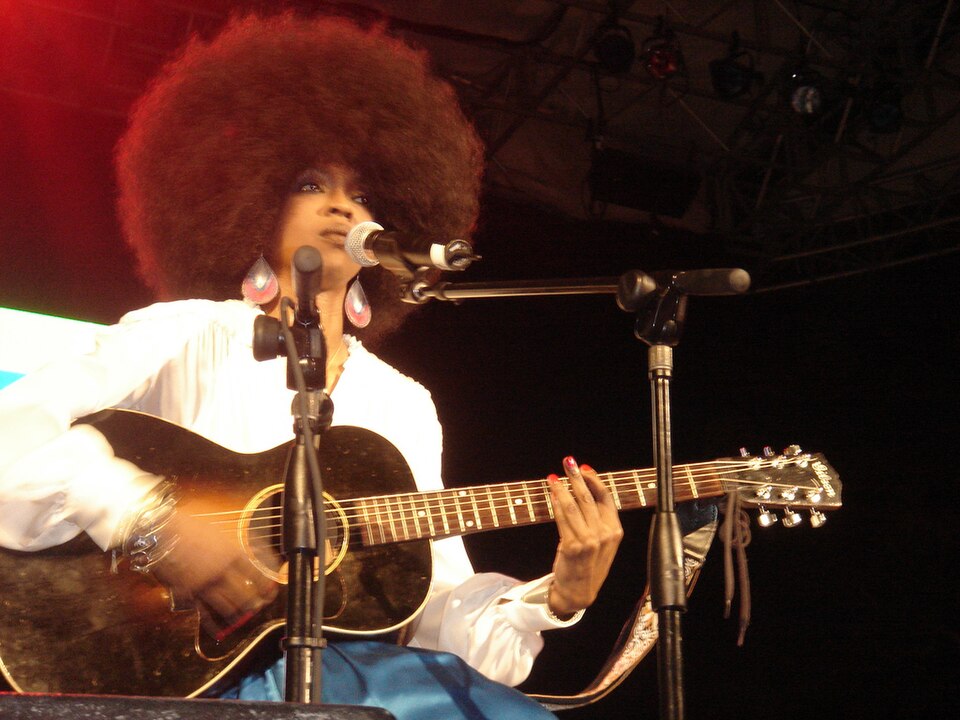
That’s a reality Lauryn Hill faced, as did a few other musical acts and revered figures in other domains, like Harper Lee or Gregg Alexander. One work catapulted them into the epitome of greatness, the best to ever do it. Lauryn Hill released her first-ever solo album, The Miseducation of Lauryn Hill, in the summer of 1998. This was shortly after she left the music trio The Fugees, which came to prominence in the 90s and introduced the world to Lauryn’s rhythmic lyricism, soft vocals, and social conviction. Songs from the group’s album “The Score”, such as “Killing Me Softly” and “Ready or Not”, addressed themes of social injustice and cultural resistance in a world that feels like it takes more than it gives. From her time in the group, she was prepared for a solo career that would redefine contemporary R&B.
The success of Miseducation was unexpected. Lauryn recorded the album over nine to ten months whilst she was pregnant with her first child, Zion, whom she later attributes much of her inspiration for writing and recording to. After its release, it quickly received great critical acclaim. It debuted at No.1 on the Billboard 2000 and, a year after its release, won five Grammy Awards in 1999, making her the first woman to achieve the title and the first hip-hop album ever to win Album of the Year. The album propelled Lauryn to household-name status, with over 20 million copies sold worldwide. Achieving so much in such a short amount of time placed a lot of weight on her shoulders, especially considering the doors that she opened as a young black woman at a time when hip-hop music and urban sounds were just finding their feet in the mainstream. Lauryn surpassed all expectations of what it meant to be a rapper, talking about using music to express your feelings, emotions, and thoughts on issues, giving social critique on matters that mattered to her and the wider black community. The album’s most recognizable song, Doo wop that thing, has been regarded as one of the greatest songs grounded in social commentary.
The album did so well, and so many people were excited about her career and what she had to offer. However, after releasing an unplugged version, years passed, and she never released any further albums. Her public image and persona went on hiatus for decades, with her making very few public appearances, giving few interviews, and choosing to pursue a more private life, preserving what she could.
Recently, she made a rare social media appearance by replying to a fan’s comment on a post about her musical journey, in which the fan asked why she had never released another album. The exchange began after the Instagram platform FRAIM shared a post reflecting on Hill’s career and exploring theories about her decision not to produce another solo album. The post suggested reasons such as industry pressure, emotional exhaustion, legal complications, and a wish for privacy.
Hill quickly clarified her disagreement with the way the story was being presented. “I disagree,” she wrote, then elaborated with a detailed comment sharing her perspective. “When you’re inspired and want to act with principles, what isn’t discussed enough is the drain… and the difficulty of finding safety to create with integrity. Most see opportunity solely as dollars and often overlook the ‘sense’.”
In the comment, Hill discussed the emotional burden that can accompany massive success and high public expectations. “Wild success can lead to greed that starts to undermine the art for money,” she stated. “We are people experiencing all of this. These conversations should leave room for more nuance.”
She also defended the value of artistic growth and experimentation over time: “Artists go through phases, and creativity involves expression, exploration, and experimentation. Some people hated the Unplugged album, yet many now consider it significant.”
Some fans understand Lauryn’s reasoning, recognizing that making great music involves significant pressure and potential sacrifice. Given the circumstances of her first album and her journey towards becoming a mother, which probably transformed her priorities and what she wanted for herself, and that may not look the same as it did when she was 22 and released arguably one of the best music albums in modern history.
Our idols are allowed to be imperfect, even if they don’t realize it themselves. Lauryn will forever be regarded as one of the best acts of our time, and whether she sees this as an opportunity or a limitation is ultimately up to her. But we can take this and look at what pressure could do to us, how it can harbor, restrain, and contain us even when it doesn’t need to. It’s been almost 30 years, and I’m sure her fans would love and appreciate any new body of work she decided to put out. A lot of time has gone on, and I don’t think she would be under the same pressure as she would have been in the early 2000s, fresh off a massive success such as The Mis-Education, but I do understand wanting to feel like you’re creating for the purpose of delivering something meaningful, as opposed to fulfilling an industry quota and pleasing millions of people that you don’t know.
Her music always offered something meaningful. She’s always been a very intentional person in her craft and in how she presents herself. Each track offered a lesson in love, companionship, spirituality, and in discovering your personhood beyond the often-superficial ideas about what identity looks like in society. This seems true to who she is. The music industry is very commercially driven, and an investment in another album at that time would probably have meant she would have had to match or top its performance, and that pressure must have been paramount, particularly for someone who seems not to be driven by gain. It wouldn’t inspire, and thus the entire meaning of her music would have been stripped of its original, organic, thought-provoking imagery that every song on The Mis-Education hummed with. That would have been impossible to evoke in a piece of music that was made primarily with profitability in mind, as opposed to a woman who wanted to clear her mind during an uncertain time.
I do love Lauryn Hill. I really do, and even though I will always love and respect her music, I think this time has passed. I can see it a little, but I don’t know if today’s climate would really appreciate a sound with such a principle behind it. Looking at things from a broader angle, we can understand why the one album is just the one album, and as a fan, I’m OK with that.
This was written by our contributing writer, Julia Cawele.
Image Source: Wikimedia Commons, Lisa Liang
Cover Image Source: Unsplash, Do Hoang Anh

Leave a Reply