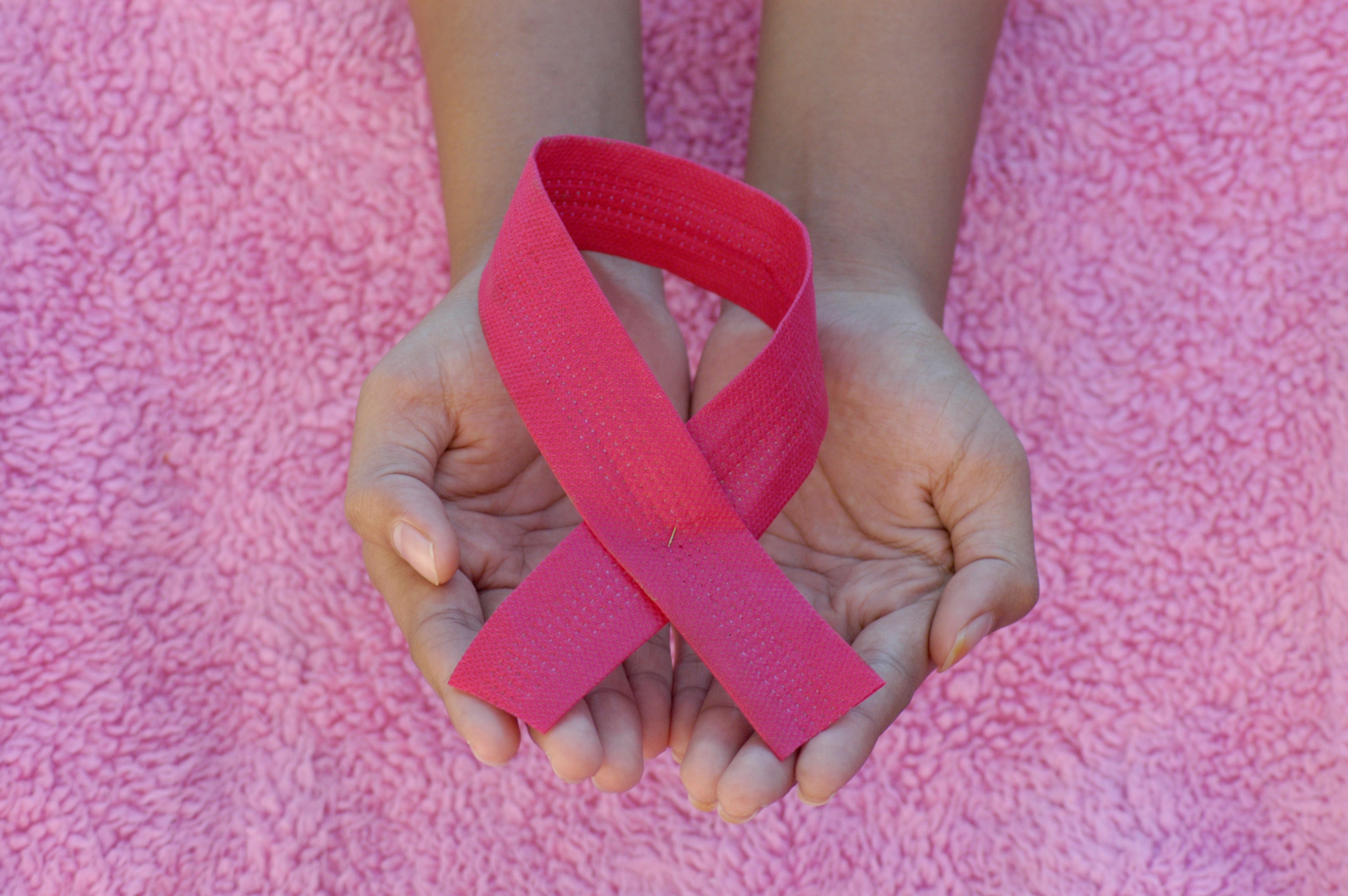
Breast Cancer Awareness Month, also referred to in the United States as National Breast Cancer Awareness Month, is an annual international health campaign organized by major breast cancer charities…
October is designated as Breast Cancer Awareness Month to educate the public about early detection, support research, and honor those affected by the disease.
We wear pink in October to support Breast Cancer Awareness Month, helping to raise funds for research, honor survivors, and remind people about the importance of early detection.
The theme for Breast Cancer Awareness Month in 2026 is “Every Story is Unique, Every Journey Matters.”
9 Common Warning Signs
Hard lump or mass: A new, hard, and usually painless lump with uneven edges in the breast or underarm.
Thickening or swelling: Swelling or a thickened area in a part of the breast that feels different from surrounding tissue.
Skin dimpling: Pitting or dimpling of the breast skin that can look like an orange peel (called peau d’orange).
Size or shape changes: An unexplained and sudden change in the size, contour, or overall shape of one breast.
Nipple discharge: Fluid leaking from the nipple that is clear, yellow, brown, or bloody, especially if it happens without squeezing.
Skin redness or rash: Red, irritated, or flaky patches, or a rash on the nipple or breast skin that resembles eczema.
Persistent breast pain: Ongoing pain, tenderness, or a heavy/aching feeling in one specific spot that does not change with your menstrual cycle.
Underarm or collarbone lumps: Swollen, hard lymph nodes located in the armpit or around the collarbone area that feels unusually warm to the touch, looks inflamed, or develops a bruised or purplish appearance (often seen in inflammatory breast cancer.
Lifestyle Changes
Maintain a healthy weight: Keep a balanced weight, especially after menopause, as excess fat tissue can increase estrogen levels.
Exercise regularly: Aim for at least 150 minutes of moderate aerobic activity or 75 minutes of vigorous activity each week.
Limit or avoid alcohol: Even small amounts of alcohol increase breast cancer risk, so it is safest not to drink or to limit intake to no more than one drink per day.
Eat a balanced diet: Focus on whole foods, including plenty of fruits, vegetables, and whole grains, while cutting back on processed foods & red meat.
Don’t smoke: Avoid tobacco use or quit if you currently smoke, as it impacts overall health and contributes to cancer.
Breastfeed if possible: Nursing an infant for several months or longer can provide a protective effect against breast cancer.
You can reduce your risk of breast cancer by adopting healthy lifestyle habits and managing modifiable risk factors.
This was written by our contributing writer, Duet Mlotshwa.
Image Source: Unsplash, Angiola Harry

Leave a Reply