
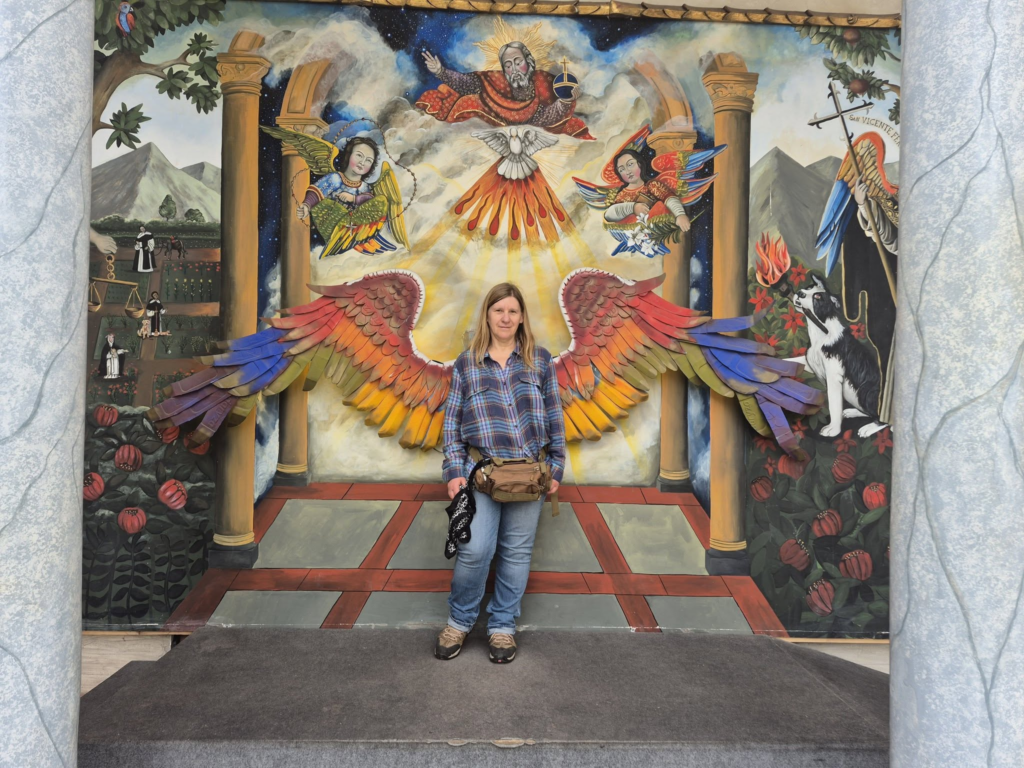
I was probably 15 when I first heard the saying “time is money,” and not much older when “multitasking” entered my vocabulary.
“If you want to succeed in life, you must learn skills and become independent,” I was always told.
From an early age, my parents encouraged me to keep busy: if not at school, then through extracurricular activities such as sports, learning a foreign language, or playing the piano, even though I was not very proficient at it and, frankly, found it boring. But the sixties generation, often referred to as Generation X, was taught to be constantly productive and efficient.
“We basically grew up on the ‘no pain, no gain’ maxim,” my sister once said as we reminisced about how the idea of striving for success (AND reaching it!) was fed to us daily.
This mindset followed us into adulthood, shaping our work ethic and approach to life in general. At college, I joined a drama group and a debating club and volunteered at an animal shelter, in addition to my academic studies. From dawn to dusk, there was always a never-ending to-do list, and even when I wasn’t “productive,” I found myself glued to the TV, listening to my Walkman, or reading a book, all while feeling like I was slacking on my time management. Who knew guilt could be such a multitasker?
Then came the first job and motherhood, and, apart from my own activities, I now had “little Johnny’s” soccer practice, PTA meetings, and “Miranda’s” playdates to juggle. The burden of being constantly busy intensified as I tried to balance my ambitions with the demands of other family members, including our two dogs.
“Can we please schedule a meeting to discuss how we can improve our performance and prevent burnout?” my boss would ask repeatedly.
I know she had good intentions, but it only added to a schedule that was already stretched tighter than a pair of spandex! What could have been a quick chat turned into an epic saga of meetings, reports, and follow-ups, with way too much paperwork.
The daily grind persisted for years until I retired. For the first few weeks, I enjoyed the art of doing nothing, or rather, doing much less, but soon I found myself with too much free time. After living a life of multitasking, the thought of idleness plagued me, so I started looking for a purpose! Now all I needed to do was get up, eat breakfast, and find something to occupy my time. I had my dogs, the garden, yoga, and knitting, of course, but except for the dogs, which needed to be fed and walked, the other activities seemed pointless. The world wouldn’t stop spinning if I missed a yoga class, and my knitting projects—a scarf and warm socks—were not very urgent in the midst of summer. Besides, I already had three pairs in the drawer.
“Holy cow,” I exclaimed. “I have no idea how to just chill!”
Enter Peru, and my August 2026 trip to explore the ancient ruins of Caral and the sparkling waters of the Seven-Colored Lagoon, located at an elevation of more than 4,800 meters above sea level. Now picture this scene—a young woman, I’d say no more than 25, sitting on the ground with two lambs and a toddler resting in her lap. Nothing, no smartphone, no book, no earbuds, no newspapers. All she does is sit and wait for tourists to ask her for a picture with the animals and/or her baby. She is utterly at ease, completely in the moment, as she gazes at the countryside and periodically calls out to the baby crawling away from her. Tips, voluntary and usually less than 50 cents, are her monthly income. She doesn’t even speak, yet her serene presence alone draws visitors eager to capture the scene. I watch her for fifteen minutes and see how her calm demeanor sharply contrasts with the chaotic modern life I’m accustomed to.
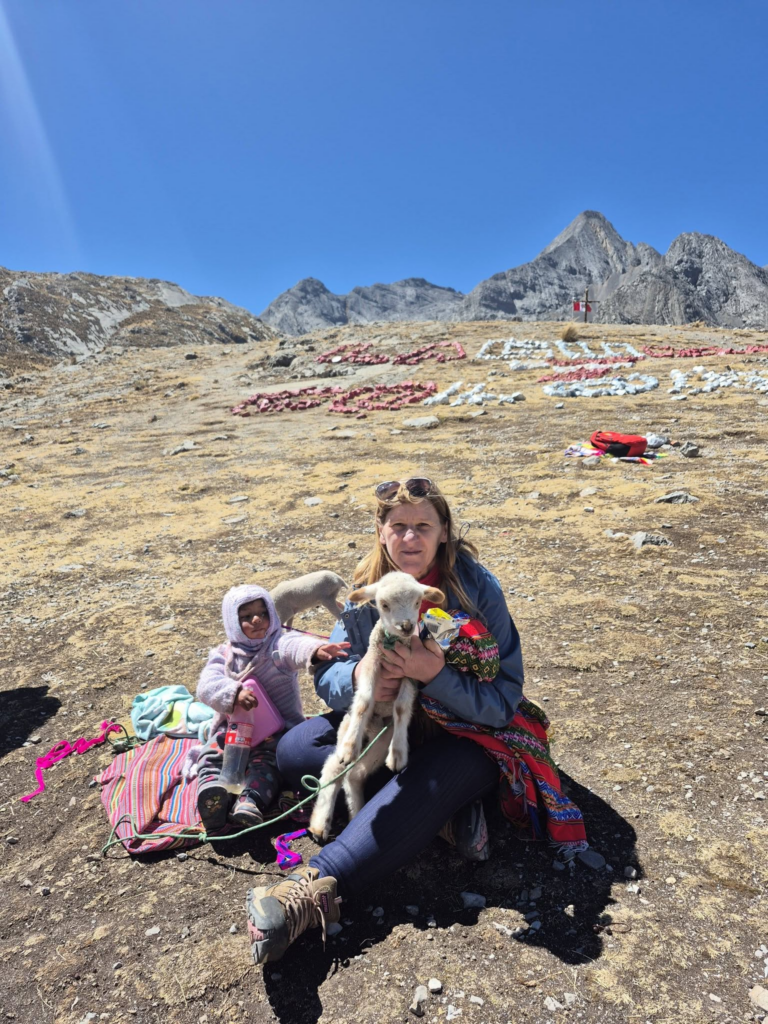
“I can barely sit still for an hour without reaching for my smartphone or a book to keep my thoughts and hands busy,” I think, remembering how time seemed to stretch endlessly on the flight to Lima with nothing to do.
The woman in front of me is not lazy, far from it—day in and day out, she must sit in sometimes-freezing temperatures at nearly 5 kilometers above sea level, where, apart from llama and alpaca herding and the occasional tourist passing by, economic activity is nonexistent. She embodies the adaptability and survival spirit of the Andes, where doing one thing at a time, or sometimes doing nothing for a while, allows her to live in an environment where simplicity and patience are essential.
On our way down, we meet Don Humberto, who lives at the foot of a spectacular waterfall and whose only possession is a horse he rents for rides up the mountain. Like the young woman further uphill, he waits for visitors to come by and ride his horse, which provides him with income in this remote area. He charges 3 soles, less than a dollar, for a 15-minute ride. Don Humberto’s resourcefulness in using whatever he can to make a living showcases the flexibility of the Peruvian people, and it’s not limited to rural areas. Residents of Lima, the capital, also find creative ways to survive. Along the pedestrian promenade leading to the Plaza Mayor, the city’s main square surrounded by fine colonial buildings, I observe vendors selling a variety of goods, musicians playing pan flutes and Peruvian folk music, and artisans crafting jewelry for passersby. There is even someone with a digital scale and a sign that says, “Know your exact weight,” who offers to weigh people for a small fee.
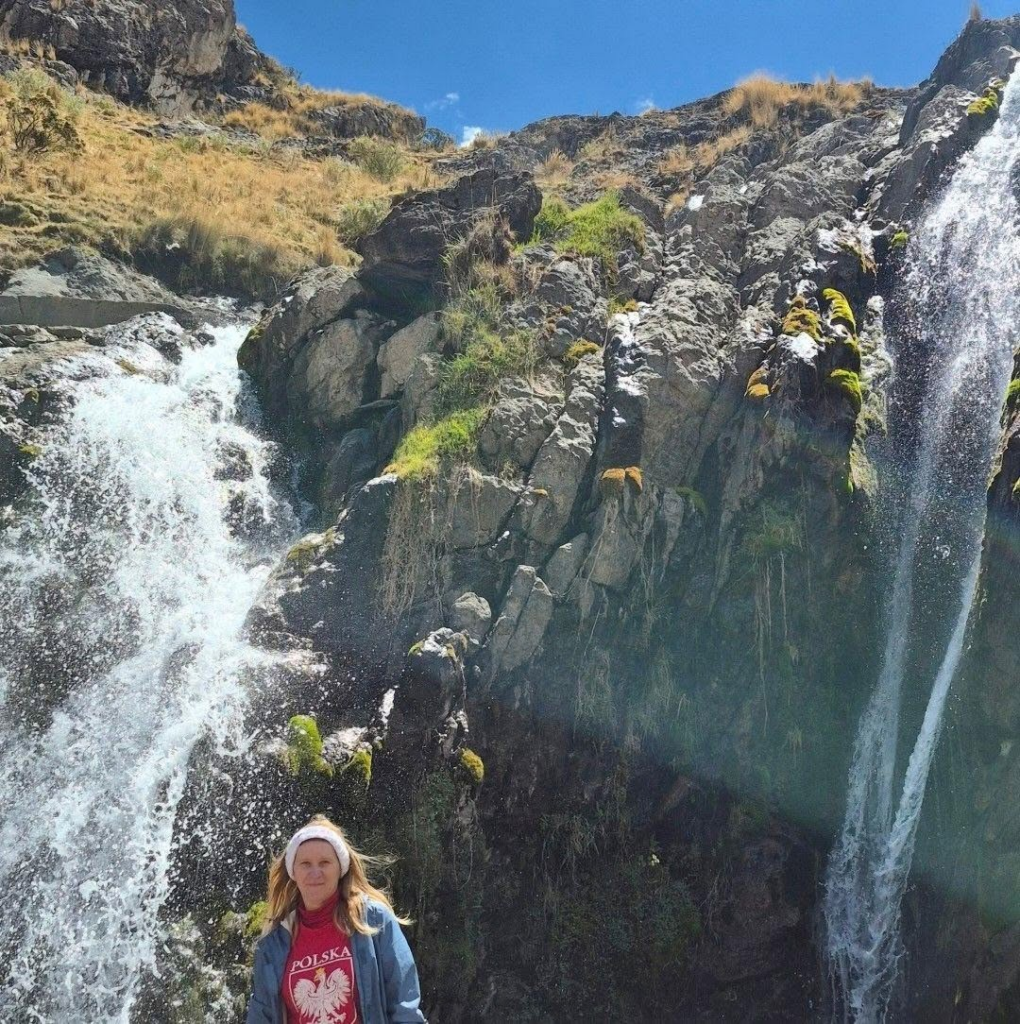
Peruvians, whether living in the mountains or in bustling cities, show a remarkable sense of initiative, consistently making the most of their resources, even with limited means.
It was my 7th trip to Peru, and apart from its fascinating landscapes, such as the Colca Canyon and the Inca culture at Machu Picchu, it is the people and their ability to turn even the simplest resources into something valuable that continue to draw me to that South American nation.
Back home, the concept of slow life and slow food is sold to us for $99.99 as a retreat package promising to help us disconnect from our modern lives, plagued by social media, time constraints, and constant distractions. Yet there, in the Andes, at 4,800 meters above sea level, it is free and authentic. The notion of slow life or slow food doesn’t exist because, for those who live there, it’s simply life and food. Their simple way of living really stands out when compared to the busy, consumer-focused culture that shapes so much of our lives from the moment we’re born until the day we go. The idea that time is money doesn’t even cross their minds. Time is an abundant commodity measured by the sun’s rising and setting, not by the ticking of a clock.
And while I have barely managed to unpack my luggage and settle back into my normal routine of writing, walking my dogs, meeting friends, and enjoying modern luxuries, I am already planning my next adventure. This, sadly, shows I have learned very little from the wise and contented people I met along the way. Maybe it’s time to reconsider my priorities and recognize that life is a valuable gift rather than a race to chase new experiences and distractions that often heighten stress.
This was written by our contributing writer, J.B. Polk.
All images were provided by our writer, J.B. Polk.

Leave a Reply