
I never liked Thanksgiving. It never sat well with me, celebrating a mythical meal that was supposedly had between the colonizers and the indigenous before the long and horrid genocide that followed. That’s why my curiosity was piqued when I learned of a special gathering that the Diné (what the Navajo call themselves) and the Hopi were having over Thanksgiving. They weren’t calling it Thanksgiving, though. They were calling it Thankstaking.
The event was coordinated through the group Black Mesa Indigenous Support, which had been formed to support the indigenous people living on the reservation in northern Arizona. For decades, corporations had been forcing their way in to mine for the uranium hiding beneath the desert floor. They hired those on the rez to work the mines – a dangerous job that resulted in many getting sick from cancer and other nasty diseases. Many resisted by not only refusing to work the mines, but by refusing to let their land be sold and raped. Their resistance was met with intimidation and violence – threatening phone calls and letters, then the massacre of herds of sheep and other livestock when the threats didn’t work. Still, they did not give in.
I didn’t know too much about the people living on the reservation when I heartily agreed to join in the upcoming Thankstaking. I only knew generalities about the tribes from my scholastic studies, as I was pursuing a minor in indigenous cultures. I was excited to learn and help and, hopefully, have a meaningful experience, but I didn’t know what to expect. Would I, a white woman from the East Coast, be welcomed with open arms? Or would I be eyed with suspicion?
There were four of us from my school, Prescott College, who arranged to go. We all crammed into my aging Honda Civic, filling it to the brim with blankets, coats, and food to donate. The drive from Prescott to Flagstaff was easy enough, but from there to the heart of the reservation was a bit sketchy. My small compact car, heavy and overloaded, was no match for the rez roads. The dusty, dirt roads were littered with potholes, and the hills were steep. At one point, my passengers had to vacate the vehicle so that we could get it up a hill and once or twice I thought we’d have to get towed out of a ditch. Cell phone service was spotty, and we didn’t see hardly any other vehicles, so I’m not sure how we would have arranged a tow truck if we did get stuck.
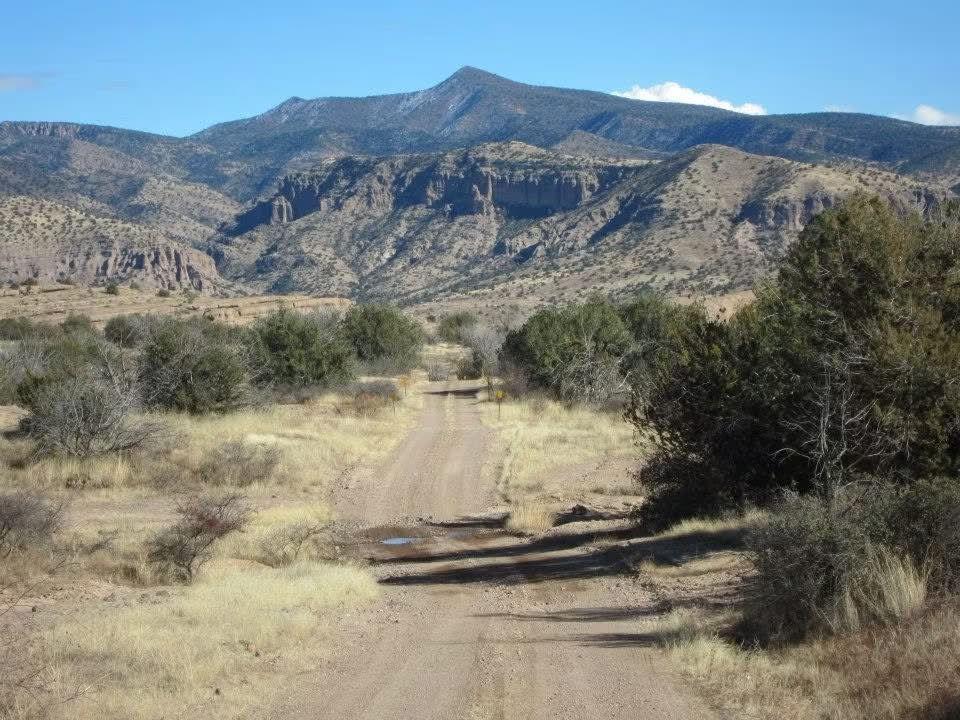
Fortunately, we made it to the hogan where we were all meeting with no damage to my car. To my relief, we were met with warm smiles and open arms. As we unloaded all the donation items and personal belongings, I couldn’t help but get lost in the landscape. Tan, sandy hills spotted with stubby trees and cacti stretched endlessly across the horizon. The air was cool and crisp with a faint musky scent that was unfamiliar, but pleasing, to me. Aside from some soft human chatter, it was infinitely quiet and still. The whole environment seemed unstuck in space and time.
The homestead we were staying at was sparse – a small log cabin served as the primary home, and nearby was a humble longhouse where larger groups could meet. There was also a large tent, which was newly constructed, to house us volunteers. There was no plumbing or electricity. Fire kept us warm, which we sorely needed at night and in the early morn. Up above 8,000 feet, it could get very cold, even if it was the desert.
I gained a hardy constitution and a deep appreciation for life up there over my few days there. Despite being tired and a bit light-headed, I did my best to help. Most of the volunteer work involved gathering and chopping firewood for the elders, who would use it to stay warm through the upcoming winter. By late afternoon, though, I got to rest by the fire. There I would join the Diné and Hopi women in making flatbread. They taught me how to roll up balls of flour and then flatten it out as you slapped it back and forth between your hands. They made it look easy, but it was not. They tried to be polite but couldn’t help but giggle at my failing efforts.
I learned about the history of flatbread too. It was not, as many such as myself believed, an original part of the Diné diet. The Diné, who originally lived in the Four Corners region east of the Colorado River, subsisted mostly off corn, beans, and squash (commonly known as the Three Sisters in native agriculture). Flatbread wasn’t part of their diet until the mid-1800s, when the US government burned down the Diné villages, slaughtered their animals, and forced them to march over 400 miles to the new reservation where they live to this day. Along the way, they were given flour to feed themselves, but not much more. This is when and why flatbread was created – it was a simple but tasty solution to their very limited resources.
The Hopi, who share this reservation, were living there for countless centuries before the Diné were forced to immigrate there. They did not all nicely accept swarms of new people being brought onto their homeland, and the US government only encouraged contention between the two tribes. The tension between the two peoples still ripples through the land, but many have tried to bridge the divide. This very gathering was a testament to their growing alliance, as members of both tribes were joining together to work, talk, and feast.
Our big Thankstaking meal consisted of traditional Diné and Hopi food – a freshly sacrificed sheep with beans, corn, squash, and, yes, flatbread too. After we ate, we were led in a discussion by elders about the history of their people, the effects of colonization, and how we can support each other going forward. I realized that despite extensive reading and classroom lectures, I really did not understand the deeply ingrained racism and genocide that was still being perpetuated against the indigenous people here. Even in the 21st century, people are being forced to defend their homes, maybe not from the military, but from equally aggressive corporations. Still, they have little power to govern themselves – both with the US government and with their own (often corrupt) tribal governments. To add insult to injury, the white-run schools and institutions treat them as a relic of the past, ignoring that many are still alive, fighting for their livelihoods and trying to keep their cultures alive. Romanticizing them, as white historians and anthropologists often do, is not helpful either, for it makes them something other than human.
I did a lot of listening and thinking during that Thankstaking meal and the days that followed. I couldn’t help but feel enraged at my race and government, but I felt somewhat empowered too. Knowledge was my power, as was the privilege I was born with. I could share what I learned with those that may not listen to a “poor Indian.” I could continue learning about their culture and struggles – but I would do so by going straight to the source instead of relying on the assumptions of intellectuals. (Indeed, this experience led me to creating an Independent Study course under the mentorship of a Hopi teacher, who often brought me back to the reservation.) Additionally, I could, and would, advocate for indigenous rights and raise their voices every chance I got.
I encourage all of you, dear readers, to learn about the tribes that live, or lived, in your area. Know their names, the names they gave to the rivers and peaks, and what they mean. Join them for their open ceremonies and pow wows. Donate and volunteer for their causes. You can find more information on the group I joined for Thankstaking, Black Mesa Indigenous Support, at https://supportblackmesa.org/.
This was written by our contributing writer, Kara Kukovich.
The image was provided by our writer, Kara Kukovich, and was taken in the desert in Arizona.

Leave a Reply